%2Ffit-in%2F250x250%2Fguide_websites%2F131868%2Fimages%2F1776470580986letsgofishingadventurellc.png&w=1920&q=100)
White Perch Caught at Forest Inn PA with Guide Dwayne Eckhart
White Perch Fishing in Forest Inn - What to Expect
%2F%2Fusers%2F6dc9afbf-ad31-4006-a6c2-95613236387b%2Fimages%2Fwhite-perch-forest-inn-pa-2652.jpg&w=1920&q=75)
Guided Fishing Trip by Guide Dwayne Eckhart in April
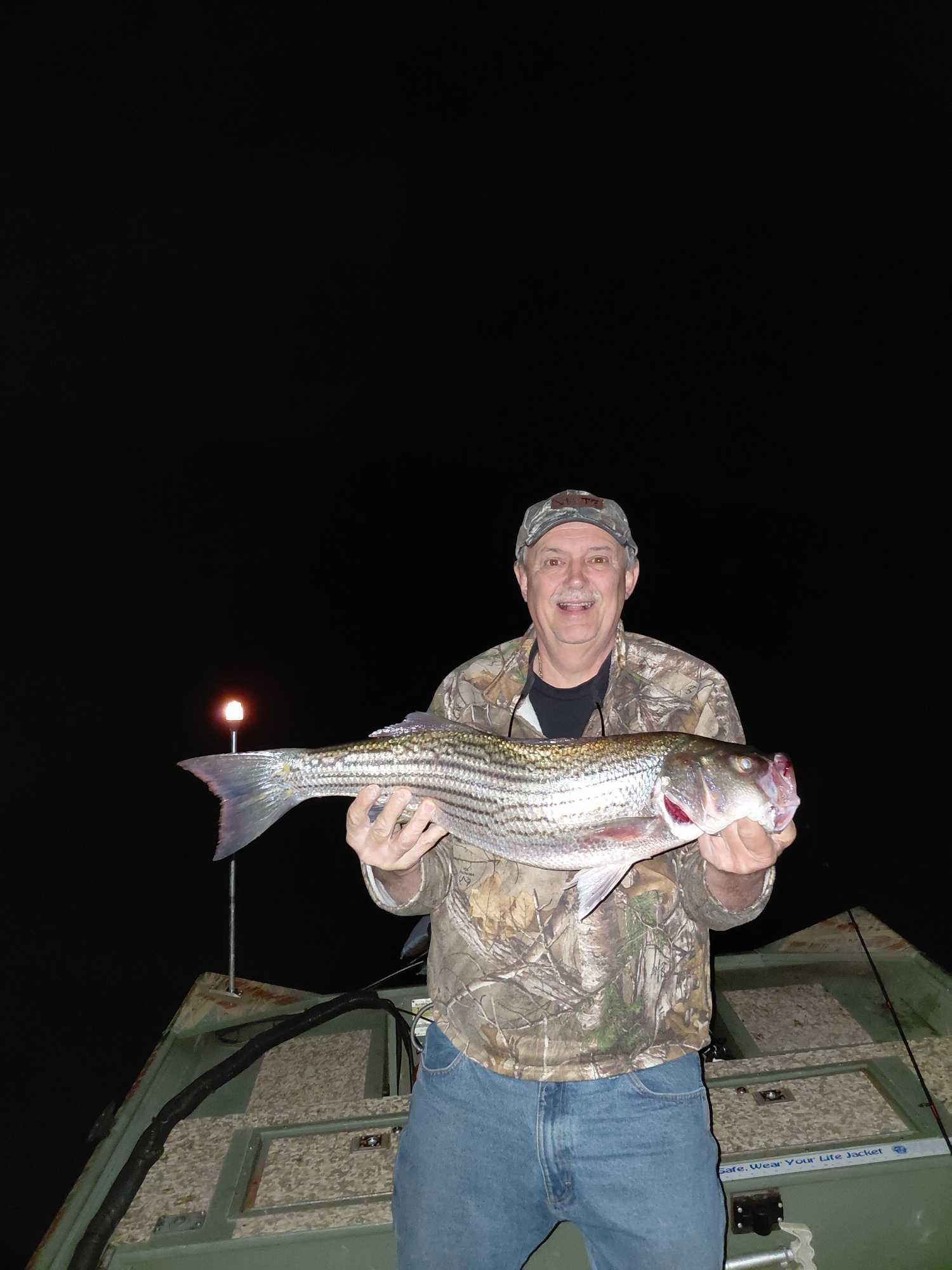
- Night Fishing Charter Forest Inn PA | Guided Trips


Summary
Experience a guided fishing trip in Forest Inn, PA on Friday, April 17th with Guide Dwayne Eckhart of Let's Go Fishing Adventure. This fishing adventure targets white perch, a prized freshwater species known for spirited action and consistent catches in Pennsylvania waters.
Fishing with Dwayne Eckhart - Rates & Booking
Guide Dwayne Eckhart of Let's Go Fishing Adventure on Friday, April 17th offers expert-led guided fishing trips targeting white perch in Forest Inn waters. As a seasoned local guide, Dwayne brings professional expertise and knowledge of productive fishing grounds. To inquire about rates, group availability, and booking your guided trip, contact Let's Go Fishing Adventure directly for current pricing and package details.
Highlights of Your Forest Inn Fishing Experience
White perch fishing in Forest Inn delivers consistent action for anglers of all skill levels. These aggressive feeders provide reliable catches and exciting fights when hooked. Dwayne's local knowledge ensures you fish the most productive waters and techniques that work throughout the season.
The Forest Inn area offers access to quality freshwater habitat where white perch thrive. Whether you're seeking your first perch or adding to your catch total, this guided trip combines proven methods with professional guidance.
Local Species Insights: White Perch
White perch are a popular freshwater gamefish found throughout Pennsylvania's waters. These schooling fish are known for their aggressive feeding behavior and willingness to strike a variety of lures and live bait. White perch typically inhabit areas with moderate structure and current, where they congregate in schools that can provide fast-paced fishing action.
These fish are medium-sized but powerful fighters for their weight, making them exciting to catch on light tackle. White perch respond well to both casting and trolling techniques, and their year-round availability makes them a reliable target across multiple seasons. Their populations in Forest Inn waters make this location a solid choice for consistent perch fishing.
What makes white perch particularly rewarding is their feeding pattern. They're active hunters that patrol structure and deeper pools, making them responsive to properly presented offerings. Guide Dwayne understands their behavior patterns and habitat preferences in local waters, positioning you for success whether conditions are calm or choppy.
Plan Your Fishing Day
A guided fishing trip with Dwayne Eckhart provides professional instruction and proven techniques for targeting white perch. The experience includes access to prime fishing locations and expert guidance throughout your outing. Contact Let's Go Fishing Adventure to confirm what's included with your specific package, such as tackle assistance, bait provision, or licensing requirements.
Fishing in Forest Inn: White Perch
White Perch Overview
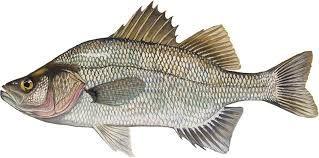
The White Perch (Morone americana) is a fascinating member of the Moronidae family within the order Perciformes, and it's one of the most accessible and exciting game fish you can encounter along the Atlantic coast. Don't let the name fool you—this silvery, dark-backed fighter is actually part of the bass family, which explains its sleek, compact body and aggressive feeding behavior. With its 3 anal spines and characteristic dorsal fin configuration, the White Perch is instantly recognizable once you know what to look for. What makes this species particularly special is its adaptability; while it thrives in brackish estuaries from Nova Scotia down to South Carolina, it's also comfortable in freshwater systems, making it accessible to anglers exploring diverse waterways and regions like the Hudson River and Chesapeake Bay.
White Perch Habitat and Distribution
White Perch are scattered throughout the western Atlantic Ocean, with their range extending from Nova Scotia all the way down to South Carolina. They absolutely love brackish waters, so your best bet for finding them is to explore tributaries and estuaries where freshwater meets the sea. The Chesapeake Bay and Hudson River are legendary hotspots where these fish congregate in impressive numbers, making them ideal destinations for both novice and experienced anglers. If you're targeting adult fish, focus your efforts on open waters close to shore. The species thrives in environments where salinity levels fluctuate, and they're equally comfortable in slightly brackish rivers with fine gravel or sand substrates. Around the Mid-Atlantic region, these fish are particularly abundant and accessible year-round.
White Perch Size and Weight
White Perch are considered small game fish, with typical catches ranging from 7 to 10 inches in length and weighing less than a pound on average. However, don't underestimate their potential—the largest White Perch ever recorded stretched to an impressive 19 inches, while the heaviest specimen tipped the scales at 3.48 pounds. These record-breakers are rare, but they prove that patience and proper technique can yield exceptional results. Most anglers find that the average fish in their cooler runs between 8 and 12 inches, which is perfect for a fun, fast-paced fishing experience.
White Perch Diet and Behavior
These carnivorous hunters are absolutely relentless in their pursuit of prey. Their diet is remarkably diverse, consisting of insects, squids, fish eggs, small crabs, and smaller fish species. What's particularly interesting is their reputation as egg-eaters—White Perch have earned a bit of notoriety in certain regions because they consume the eggs of other fish species and can outcompete native populations for both food and space. This aggressive feeding behavior makes them phenomenal game fish to pursue because they'll chase down your offerings with enthusiasm. They prefer warm water that isn't too hot, so look for shadowed areas where cooler water provides refuge. Their feeding intensity peaks during early morning and evening hours, though they'll feed actively throughout the day if conditions are favorable.
White Perch Spawning and Seasonal Activity
Here's where things get really interesting: White Perch are semi-anadromous, meaning they migrate between different water types for breeding. These fish live primarily in brackish waters but undertake impressive spawning migrations into freshwater rivers each spring. The prime spawning window occurs from April through June, when water temperatures reach the ideal range of 50 to 60 degrees Fahrenheit. During this period, large schools migrate upstream to rivers with fine gravel or sand substrates to deposit their eggs. A single female can lay between 20,000 and 300,000 eggs per spawn—an astronomical number that demonstrates their reproductive commitment. The eggs themselves are fascinating: they clump together with an adhesive quality that helps them attach securely to vegetation and rocks. After spawning, parents abandon the eggs and return to brackish waters, leaving the developing fry to fend for themselves.
White Perch Techniques for Observation and Capture
Fly Fishing Method: A 6 to 7-foot fly rod paired with a 6 to 8-pound test medium-light rod is more than sufficient for White Perch. Since they don't require long casting distances, shorter rods are actually advantageous for accuracy and control. Use 4 to 8-pound monofilament or braided line, and equip your setup with multiple hook rigs—ideally 2 to 4 hooks—so you can maximize your catch during active feeding periods. Hook sizes 5 through 8 work best for these smaller fish. The technique is straightforward: cast your jig or baited hook into the strike zone, let it settle momentarily, then jig it upward with a steady retrieve to imitate fleeing prey. This predator-prey dynamic triggers aggressive strikes.
Bait and Lure Strategy: White Perch have a particular weakness for bloodworms and minnows—these are your go-to live baits. If you prefer artificials, hair jigs and rooster tails are consistently effective at drawing strikes. Soft plastic lures that resemble small baitfish also work wonderfully. The key is to present your offering in shallow to mid-depth waters near structure like pilings, weed beds, and rocky outcrops where these fish congregate. Around the Hudson River and Chesapeake Bay, try early morning sessions when schools move into shallower feeding zones.
Timing and Location: Your success rate jumps dramatically during spring spawning runs (April to June) when massive schools concentrate in specific river systems. Early morning and evening hours produce the most consistent action, though any time of day can yield results. Target areas where tributaries meet larger bodies of water, as these transitional zones concentrate feeding fish. Catching doubles is common when you hit the timing right—it's not unusual to land several fish in rapid succession during peak periods.
White Perch Culinary and Utilization Notes
White Perch have average odds as a food fish, meaning they're edible and can be prepared in various ways, though they're not typically considered a premier culinary target. The meat is mild and can be prepared through frying, baking, or steaming. These fish are nutritious and sustainable to harvest, making them a reasonable option if you're planning a fish fry. However, most anglers pursuing White Perch do so primarily for the sport and excitement rather than the table fare. The real value lies in the good odds for angling success—they're abundant, willing strikers, and provide fantastic recreational opportunity. Their propensity to catch multiple specimens quickly makes them excellent fish for teaching beginners or for an action-packed outing.
White Perch Frequently Asked Questions
Q: What is the best bait for catching White Perch?
A: Bloodworms and live minnows are your top choices, though White Perch will also enthusiastically chase hair jigs, rooster tails, and soft plastic lures. The key is matching the size of your offering to the forage in your local system—smaller baits and lures in the 1 to 3-inch range typically outperform larger offerings.
Q: Where can I find White Perch near the Chesapeake Bay region?
A: The Chesapeake Bay is one of the most abundant White Perch fisheries on the East Coast. Focus on tributary rivers and estuaries during spring spawning runs, particularly areas where freshwater streams meet brackish water. The upper Chesapeake tributaries and the Susquehanna River are particularly productive.
Q: Why is the White Perch called a perch when it's actually a bass?
A: This is a common source of confusion. The White Perch is scientifically classified in the Moronidae family (the bass family) rather than the true perch family. Despite the misnomer, its body structure, spinal configuration, and behavior closely align with bass characteristics, not true perches.
Q: When is the best time to catch White Perch?
A: Spring (April through June) during the spawning migration is peak season, when massive schools move into freshwater tributaries and are highly aggressive. However, these fish can be caught year-round in brackish waters. Early morning and evening hours consistently produce the most strikes during calmer conditions.
Q: Is the White Perch good to eat?
A: White Perch are edible with mild, acceptable meat quality. They can be fried, baked, or steamed and are nutritious choices. However, most anglers target them for sport rather than food value. The real appeal lies in their abundance, willingness to strike, and the fast-paced action they provide.
Q: What rod and reel setup do I need for White Perch?
A: A 6 to 8-pound test medium-light rod paired with a modest reel is perfectly adequate. A 6 to 7-foot fly rod is ideal since you won't need long casting distances. Use 4 to 8-pound monofilament or braided line and equip multiple hook rigs so you can catch more fish efficiently.